Snow Mold Prevention for Cape Cod Lawns: What to Do in November
By Nikola Popov, agronomist and founder of Sofkin Landscaping in Hyannis, MA
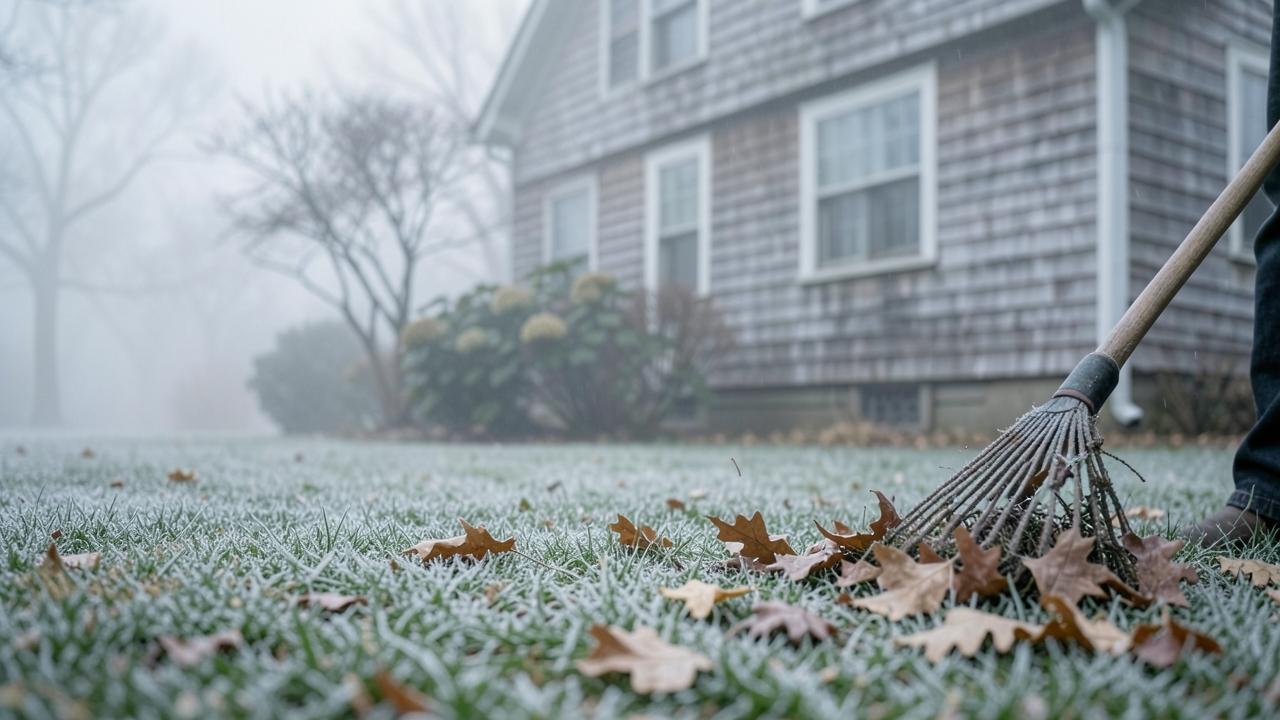
Snow mold prevention happens in the fall, not after the snow melts. On Cape Cod that means four jobs before the lawn goes dormant: keep mowing until the grass stops growing and finish around 2.5 to 3 inches, get every leaf off the turf, stop feeding nitrogen well before the state's December 1 cutoff, and keep thatch and soggy spots in check. Do those, and most home lawns never need a fungicide.
The reason this matters here is a little different from inland New England. Our winters are milder and the snow often comes and goes, but we get exactly what one of the two snow molds likes best: weeks of raw, damp weather, cold fog and drizzle hovering just above freezing. Below is what each mold needs, what to do this month, and how to fix the patches if they appear in March.
Pink snow mold vs. gray snow mold: which one Cape lawns get
"Snow mold" is really two different fungal diseases, and they behave differently on the Cape.
Gray snow mold (Typhula species) needs a long blanket of snow over unfrozen ground. UMass Extension puts it at roughly 45 to 60 days of snow cover. It shows up after melt as round, straw-colored or gray-brown patches about 1 to 3 feet across, with the blades matted together. In many Cape winters snow simply doesn't sit that long on an open lawn, so gray snow mold tends to appear where snow piles up: along the driveway where the plow pushes it, under drifts by fences and hedges, and on the shady north side of the house.
Pink snow mold, also called Microdochium patch, is the one to watch here. The same fungus works with or without snow. UMass lists repeated frosts, cold fog, slow drizzling rain, matted grass, thatch, compaction and high nitrogen as the conditions that favor it, and it grows from near freezing up to about 60°F. That describes a lot of November through April on the Cape. Look for small spots, usually under 8 inches, that start water-soaked and turn orange-brown or reddish-brown, then fade to tan with a pinkish edge as they dry.
- Big, matted, gray or straw patches right after a long snow cover: likely gray snow mold.
- Small reddish or tan spots with a pink rim, in damp weather with or without snow: likely pink snow mold.
- Brown lawn everywhere, evenly, with firm blades: usually normal winter dormancy, not disease.
Mow until the grass stops, then finish at 2.5 to 3 inches
Long grass going into winter flops over, mats down and stays wet, which is exactly the humid little pocket both molds use. Keep mowing on your normal schedule as long as the lawn is still growing. On the Cape that can run into late November, later than people expect because the ocean keeps fall temperatures up.
For the last cut, lower the deck a notch so the lawn goes into winter at roughly 2.5 to 3 inches. Don't scalp it. Cutting the fine fescues and tall fescue we grow here down to an inch or so stresses the crowns and opens the turf to weeds in spring. The goal is short enough not to mat, tall enough to stay healthy.
Bag or blow off the clippings from that final mow if they clump. A layer of wet clippings sitting on the lawn all winter does the same harm as leaves.
Get every leaf off the lawn before it mats
UMass names dead leaf mats as one of the things that favor snow mold, and on wooded Cape lots this is usually the biggest single factor. Oak leaves are the worst offenders: they're tough, slow to break down, and they pack into a wet layer after the first hard rain.
Mulch-mowing a light scattering of leaves is fine. Once the leaves hide much of the grass, or you can't see green through them, rake or blow them off. Plan on a second pass in early December, because many oaks hang on to their leaves and drop them late. Our fall cleanup checklist covers the rest of the yard.
- Clear the edges, too: leaves blow against fences, foundations and shrub beds and smother the turf beside them.
- Don't leave tarps, kids' toys, firewood or furniture on the lawn over winter. Anything that keeps grass dark and wet is a snow mold spot in March.
- If you have a seasonal home, schedule a cleanup after the last leaves fall rather than before you close the house in October.
Time fall fertilizer around the December 1 cutoff
Too much quick-release nitrogen late in the season produces soft, lush growth right when the fungus is active. UMass advises feeding a few weeks before the lawn goes dormant, using slow-release forms, and not applying nitrogen after the first frost.
Massachusetts law sets an outer limit as well. Under the state's plant nutrient regulations, 330 CMR 31.00, fertilizer may not be applied to non-agricultural lawns between December 1 and March 1, or to frozen, snow-covered or dormant turf. Several Cape towns have adopted their own, sometimes stricter, fertilizer rules under the Cape Cod Commission's fertilizer district, so check your town's Board of Health regulation before a late-season feeding.
In practice, the fall feeding belongs in September and October. If it didn't happen this year, skip it rather than pushing a heavy dose of nitrogen into mid-November. Our lawn fertilization program is organic, and organic fertilizers release nutrients gradually as soil microbes break them down rather than in one flush.
Potassium and soil pH matter too: UMass links adequate potassium and a near-neutral pH to less Microdochium patch. Cape soils are sandy and acidic, but fine fescues are comfortable a bit lower than that, so don't dump lime on the lawn to fight snow mold. Get a soil test from the UMass Soil and Plant Nutrient Testing Lab and correct only what the test shows.
Fix thatch, compaction and wet spots
Thatch is a spongy layer of stems and roots between the grass blades and the soil. The pink snow mold fungus survives in it, and UMass lists excessive thatch as a risk factor. Push a finger or a trowel into the lawn: if the brown spongy layer is thicker than about half an inch, plan core aeration next fall or in spring, rather than tearing it out now when the grass can't recover.
Compacted paths, such as the shortcut from the driveway to the back door, stay wet and recover slowly. Stepping stones or a mulch path fix the cause.
Low spots that hold water after a storm are prime mold sites. Most Cape lawns drain fast because of the sand, so a spot that stays soggy usually points to a downspout dumping onto the turf, a clay pocket, or a grade that tips toward the house. Redirecting the downspout is often the whole fix.
Manage snow and plow piles this winter
Because gray snow mold needs weeks of cover, the deep piles are where it starts. A few habits help:
- Spread shoveled snow around instead of building one big mound on the same patch of lawn every storm.
- Ask your plow contractor to push snow onto gravel, beds of tough shrubs, or a spot you're willing to repair, not the front lawn.
- Keep foot traffic off snow-covered grass where you can; packed snow and ice stay longer than fluffy snow.
- In late winter, break up and spread big piles so they melt faster and the grass underneath dries out.
Do you need a fungicide for snow mold?
For most home lawns on the Cape, no. Fungicides for snow mold are preventive only: UMass notes they have to go down in late fall, and applications after snowmelt don't work. They're used mainly on golf greens and other closely mown turf, and pink and gray snow mold rarely kill a home lawn outright.
A fungicide can make sense if the same areas get damaged badly year after year even after you fix mowing, leaves, fertilizer timing and drainage. Even then, it's a product with label rules on rates and timing, and you'd still need to fix whatever is causing the damage. We'd rather spend the effort on the cultural fixes above, which also help the lawn in every other season.
If your lawn had snow mold patches last spring and you're not sure which of these causes is behind them, we can take a look. Request a free estimate and we'll walk the property with you.
If you find snow mold in March: how to repair it
Most snow mold damage is only skin deep. UMass notes that in most cases only the leaf blades die and the grass regrows from the crowns. The fix is mostly about drying the patch out.
- Rake the patches lightly with a leaf rake once the ground firms up. Breaking up the matted blades lets air and sun in.
- Give it two to three weeks of growing weather. Pull a few blades: if the crown at the base is white or green and firm, it will recover.
- Reseed only what stays bare by mid to late April. Fine fescue blends suit most Cape lawns; our grass types guide explains the choice.
- Feed lightly and not early. The state rule allows applications again from March 1, but a light, slow-release feeding once the grass is actively growing does more good than an early heavy one.
- Write down where the patches were. They almost always mark a pile, a leaf trap or a wet spot you can fix next fall.
Frequently asked questions
Can you get snow mold without snow?
Yes. Pink snow mold, also called Microdochium patch, develops in cool, wet weather with or without snow cover. That's why it shows up on Cape Cod lawns even in winters with little snow.
How short should I cut my grass before winter to prevent snow mold?
Finish the season at about 2.5 to 3 inches, lowering the mower a notch for the last one or two cuts. Shorter than that stresses fescue lawns; much taller lets the grass mat down under snow and wet leaves.
When should I do snow mold prevention on Cape Cod?
Most of it happens from late October through early December: the last mows, leaf removal and the final leaf pass after the oaks drop. Fall feeding belongs in September and October, and snow pile management runs all winter.
Will snow mold kill my lawn?
Usually not. In most cases only the leaves die and the grass regrows from the crowns within a few weeks of spring growth. Patches that stay bare into late April need reseeding.
Can I still fertilize my lawn in November on Cape Cod?
Massachusetts allows lawn fertilizer until December 1, but not on frozen, snow-covered or dormant turf, and some Cape towns have stricter local rules. For snow mold, a heavy nitrogen feeding this late does more harm than good.
Related services
More from the blog
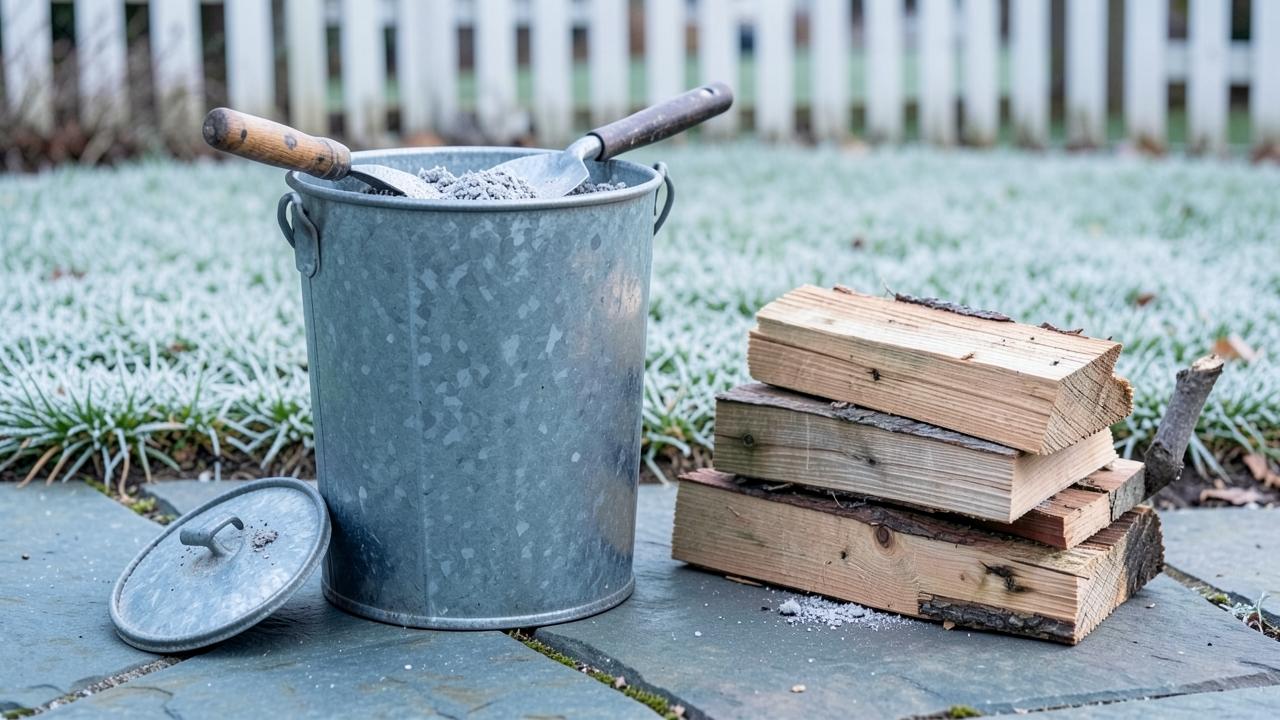 Wood Ash on Your Lawn: A Cape Cod Guide for Fireplace SeasonFireplace ash can help an acidic Cape Cod lawn, but only in small doses, on the right soil and away from acid-loving shrubs. Here is how to tell if yours qualifies.
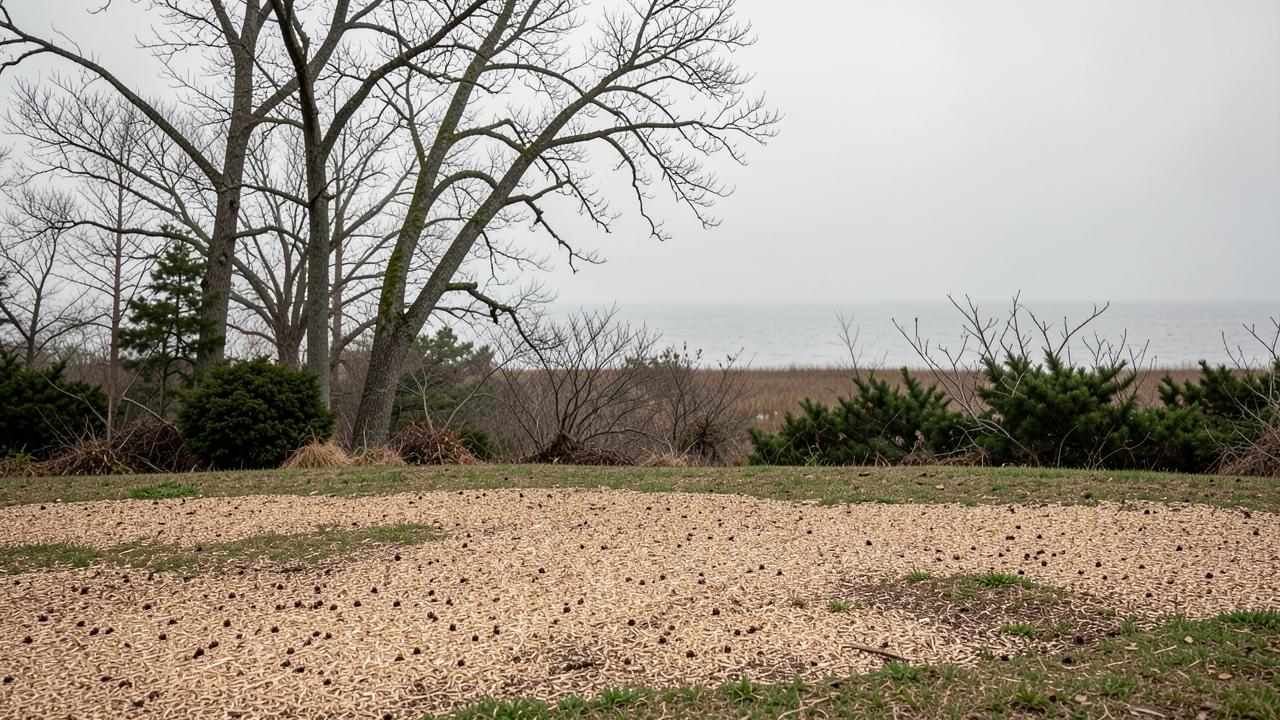 Dormant Seeding on Cape Cod: Is November Too Late to Seed a Lawn?November is too late for a normal seeding on Cape Cod, but not for dormant seeding. Here is when to do it, which seed to use and how to keep it from washing or blowing away.
What Goes Into Weekly Lawn Mowing & MaintenanceA look at what a routine mowing and maintenance visit involves for Cape Cod properties.
Want this done on your property?
Free estimates for landscaping, lawn care, and tree work across Cape Cod.