Should You Cut Back Hydrangeas in Fall? A Cape Cod Guide
By Nikola Popov, agronomist and founder of Sofkin Landscaping in Hyannis, MA
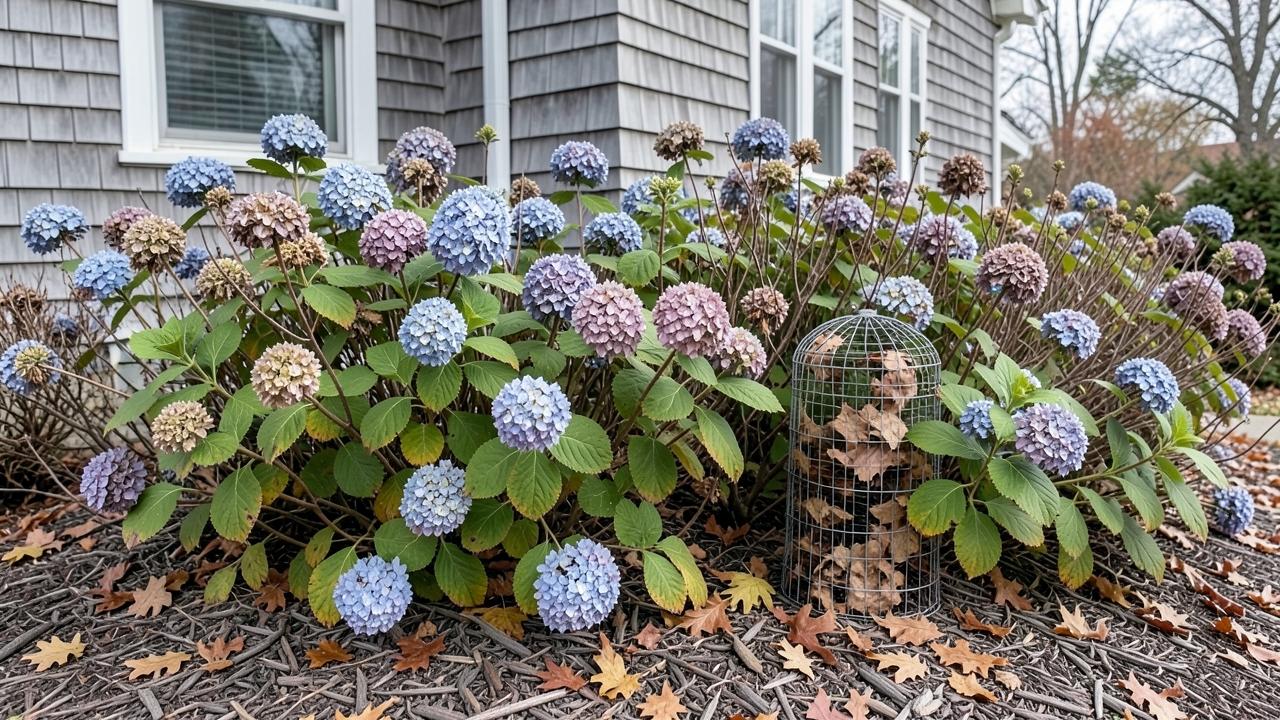
For most hydrangeas on Cape Cod, no: do not cut them back in fall. The blue and pink mopheads and lacecaps that line Cape driveways are bigleaf hydrangeas, and they already carry next summer's flower buds on the stems you see right now. Cut those stems in November and you cut off the flowers. The exceptions are panicle hydrangeas (such as 'Limelight') and smooth hydrangeas (such as 'Annabelle'), which bloom on new growth and can be trimmed after their leaves drop.
So the fall job is mostly not pruning. It is working out which type you have, leaving the bigleaf stems alone and, for the plants you care most about, giving those buds some protection before the coldest weeks of winter. Here is how to do each step.
First, identify which hydrangea you have
Even after the leaves fall, you can usually tell the types apart by the flower heads and the stems. If a plant has no tag and you are unsure, treat it as a bigleaf hydrangea and leave it uncut. That mistake costs nothing, while the opposite mistake costs a season of flowers.
- Bigleaf hydrangea (H. macrophylla): round mophead or flat lacecap flowers in blue, pink, purple or white, large glossy leaves, thick stems with fat buds in pairs near the tips. This is the classic Cape Cod hydrangea.
- Mountain hydrangea (H. serrata): like a smaller, finer-stemmed lacecap. Treat it the same way as bigleaf.
- Oakleaf hydrangea (H. quercifolia): lobed leaves shaped like an oak's that turn red-burgundy in fall, peeling cinnamon-colored bark, cone-shaped white flowers. Blooms on old wood.
- Panicle hydrangea (H. paniculata): cone-shaped flowers that open white and age to pink or green. 'Limelight', 'Quick Fire' and 'Tardiva' are common. Blooms on new wood.
- Smooth hydrangea (H. arborescens): big round white or green-white heads on thin, floppy stems. 'Annabelle' is the usual one. Blooms on new wood.
- Climbing hydrangea: a woody vine on a wall, fence or tree. Rarely needs pruning.
What to cut, and what to leave, this fall
The rule comes down to where the flower buds form. Cape Cod Cooperative Extension's hydrangea pruning guide gives the timing by type:
- Bigleaf, mountain and oakleaf: leave them. The extension timing is right after bloom in summer. Winter-damaged stems get cut in late spring, after the plant leafs out. In November the only safe cut is a dead or broken stem.
- Panicle: trim after leaf drop if you want to. The extension lists late winter to early spring, before leaf-out, as the standard time. Fall works too because buds form on next spring's growth, but if you get heavy snow, a late-winter cut lets you remove any branches the snow breaks at the same time.
- Smooth: cut back in late winter or early spring. You can take 'Annabelle' down to 6 to 12 inches above the ground. Doing it now does no harm to blooms; leaving the stems up simply marks the plant's spot in the bed over winter.
- Spent flower heads on any type: optional. Dried heads do not hurt the plant. On bigleaf hydrangeas, if you do remove them, cut just below the head and above the first pair of fat buds, never lower.
Why bigleaf buds are at risk on Cape Cod
Bigleaf hydrangeas form their flowers the season before, in buds on old wood, and those buds and stems have to get through the winter exposed. According to Cape Cod Cooperative Extension's 2023 hydrangea injury fact sheet, the stems are hardy to somewhere between 1°F and -11°F, depending on the cultivar. Most Cape winters stay above that. Some do not.
On February 4, 2023, Barnstable stayed below 0°F for more than ten hours and reached -8°F. The extension reported widespread stem damage to bigleaf and mountain hydrangeas, in many cases down to or near the ground. The plants survived, but that summer many hedges had few or no flowers. Smooth, panicle and oakleaf hydrangeas were not affected.
Cape conditions also add to the cold. Northwest winter winds dry out exposed stems, salt spray hits waterfront plantings, and a mild spell that pushes the buds out early can be followed by a hard freeze. UMass Extension lists low, fluctuating and late-frost temperatures among the main reasons bigleaf hydrangeas fail to flower, together with wrong pruning, too much shade and too much nitrogen.
The practical point is that one hard winter night can undo a whole summer of care. You cannot control that night, but you can make it less likely to cost you the flowers.
How to protect bigleaf hydrangeas over winter
The method both UMass and UNH Extension describe is simple: a cylinder of burlap or chicken wire around the plant, held up by stakes and filled with dry leaves or straw. The fill insulates the stems and buds. Wrapping burlap tightly against the stems with no fill helps much less, because it only blocks wind.
Step by step:
- Wait for dormancy. Put the cages up after the leaves have dropped and you have had a few hard frosts, which on most of the Cape means late November into December. Wrapping too early can trap warmth and moisture around plants that are still active.
- Set three or four stakes around the plant, a few inches outside the stems, slightly taller than the plant.
- Wrap chicken wire or burlap around the stakes and fasten it. Chicken wire with a burlap layer outside holds up best in Cape wind.
- Fill loosely with dry leaves (oak leaves mat less than maple) or clean straw, up to the tips of the stems. Leaves from your fall cleanup work well.
- Leave the top open or lightly covered so rain does not collect inside and rot the stems.
- Remove it in spring only after frost danger has passed. UNH Extension's advice is to wait until all danger of frost is over. Take the fill out in stages if new shoots have started inside, so they are not suddenly exposed.
Is it worth caging a whole hedge?
Honestly, often not. Caging a 40-foot run of hydrangeas along a driveway is a lot of stakes, wire and leaves, and on a windy lot it needs checking after every storm. Even protected plants can be killed back in a severe winter, as UMass notes. Here is how we would decide:
- Worth it: young plants in their first two or three winters, a few prized specimens by the front door, plants on a windy or exposed side of the house, and hedges that have already lost their blooms to a hard winter.
- Usually not worth it: established hedges in sheltered spots, especially in the warmer Lower and Outer Cape, and reblooming cultivars that can flower on new wood anyway.
- Better long-term fix: when you replace or add plants, choose remontant (reblooming) cultivars. Cape Cod Cooperative Extension names the Endless Summer series, Let's Dance series and Tuff Stuff as able to bloom on new wood, so they still flower after a bad winter, only later in the season.
- Site matters most: UMass recommends morning sun with afternoon shade. A spot on the east side of the house, out of the northwest wind, gives bigleaf hydrangeas a better chance than any wrap. If you are planning new beds, our specialty plantings team can help place them, and you can see a few of our hydrangea foundation plantings.
Other November jobs for hydrangeas
A few small things now make a real difference next summer, especially in sandy Cape soil that drains fast.
- Water deeply before the ground freezes if the fall has been dry. A plant that goes into winter dry loses more stems to wind. Hydrangeas on irrigation get nothing once the system is winterized, so give them a slow soak by hose.
- Mulch 2 to 3 inches of bark or other organic mulch over the root zone, as the extension recommends, but keep it a few inches off the stems.
- Do not fertilize now. Late feeding can push soft growth, and UMass points out that too much nitrogen gives you leaves instead of flowers. If you feed at all, do it once in spring.
- Plan color changes for spring. For blue flowers bigleaf hydrangeas need acidic soil, below about pH 5.5; above 6.5 they turn pink. Most Cape soil is already acidic, which is why blue is so common here. A soil test this fall tells you whether any lime or aluminum sulfate is needed, and changes take time, so do not expect a different color next summer.
- Rake matted leaves off the base of plants you are not caging, so stems do not sit wet all winter.
In spring: wait before you cut
When March comes and the stems look dead, do not reach for the loppers. Wait until the plant leafs out, often not before May on the Cape, so you can see exactly where the live buds are. Then cut dead stems back to the first healthy bud or shoot, or to the base if the whole stem is gone. Cape Cod Cooperative Extension points out that removing dead stems gives room for new shoots, which carry the following year's flowers.
If you had a hard winter and your hydrangeas are reblooming types, expect flowers later than usual, often late summer, not June. Old-wood-only types may simply skip a year. They come back.
If you would rather not do the caging, leaf hauling and spring cut-back yourself, it can be part of a regular maintenance visit. Ask us for a free estimate and tell us which plants matter most to you.
Frequently asked questions
Should I deadhead hydrangeas in the fall?
You do not need to. Dried flower heads do not harm the plant, and many people like how they look in winter. If you remove them from a bigleaf hydrangea, cut just below the flower head and stop above the first pair of plump buds.
Can I cut my 'Limelight' or 'Annabelle' hydrangea back now?
Yes. Panicle and smooth hydrangeas bloom on new wood, so a fall cut will not cost you flowers. Waiting until late winter is still the standard advice, because you can then remove snow damage at the same time.
Why did my hydrangea not bloom this year?
The most common causes are pruning in fall or spring, winter cold killing the stems or buds, too much shade and too much nitrogen. If the plant grew lots of leaves from the base but no flowers, winter injury to the old stems is the likely reason on Cape Cod.
When should I take the winter protection off?
After the danger of frost has passed in spring. Take out the leaf fill gradually if new shoots have started growing inside, so they are not exposed to cold all at once.
Will wrapping a hydrangea in burlap alone protect it?
Only a little. Burlap on its own blocks wind and salt spray, but it holds almost no heat. The insulation comes from the dry leaves or straw packed inside the cage.
Related services
More from the blog
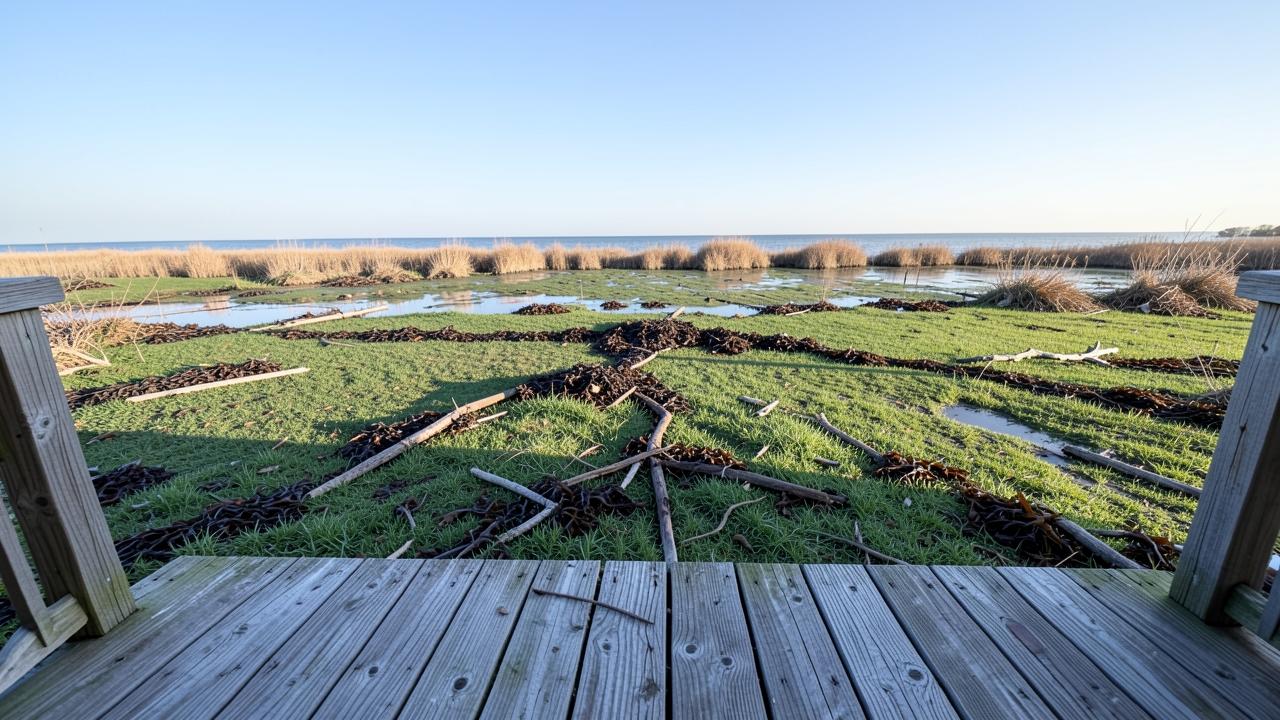 Saltwater Flooding on Your Lawn: Cape Cod Recovery After a Storm TideA storm tide over the lawn is not always a death sentence. Here is what to do in the first days, what to leave alone over winter, and how to judge the damage in spring.
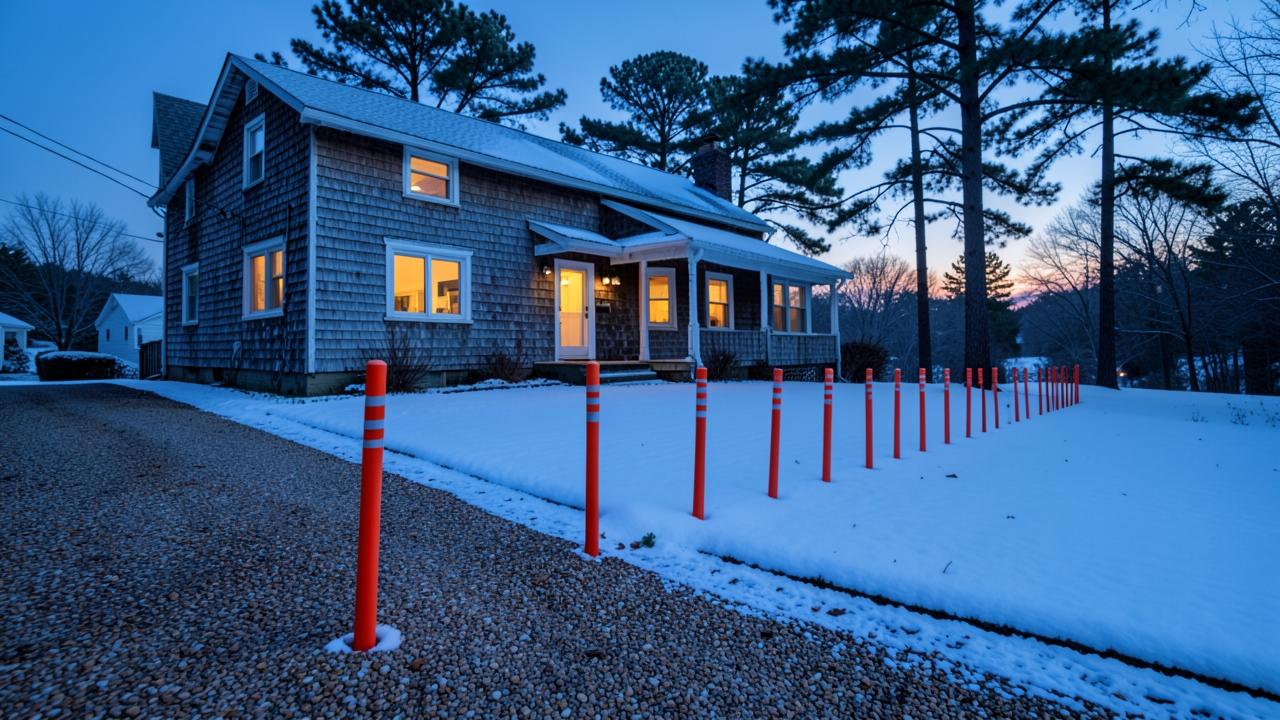 Snow Plow Damage to Lawns: Stake Your Cape Cod Yard Before It FreezesMost plow damage happens because the driver cannot see where the pavement ends. A couple of hours with snow stakes in late November prevents most of it.
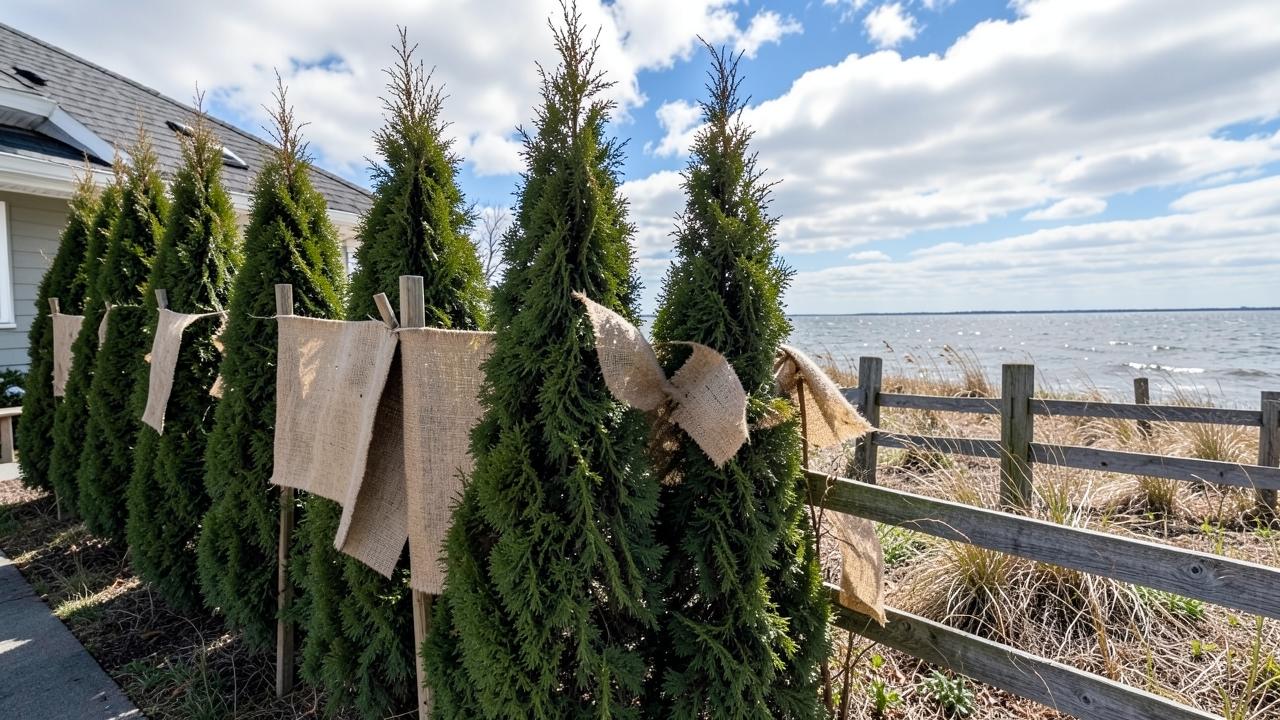 Winter Burn on Evergreens: How to Protect Them on Cape CodBrown arborvitae and boxwood in March usually start with dry soil and wind in November. Here is what to do now on Cape Cod, and what not to bother with.
Want this done on your property?
Free estimates for landscaping, lawn care, and tree work across Cape Cod.