Irrigation Winterization on Cape Cod: When to Do It and What to Expect
By Nikola Popov, agronomist and founder of Sofkin Landscaping in Hyannis, MA
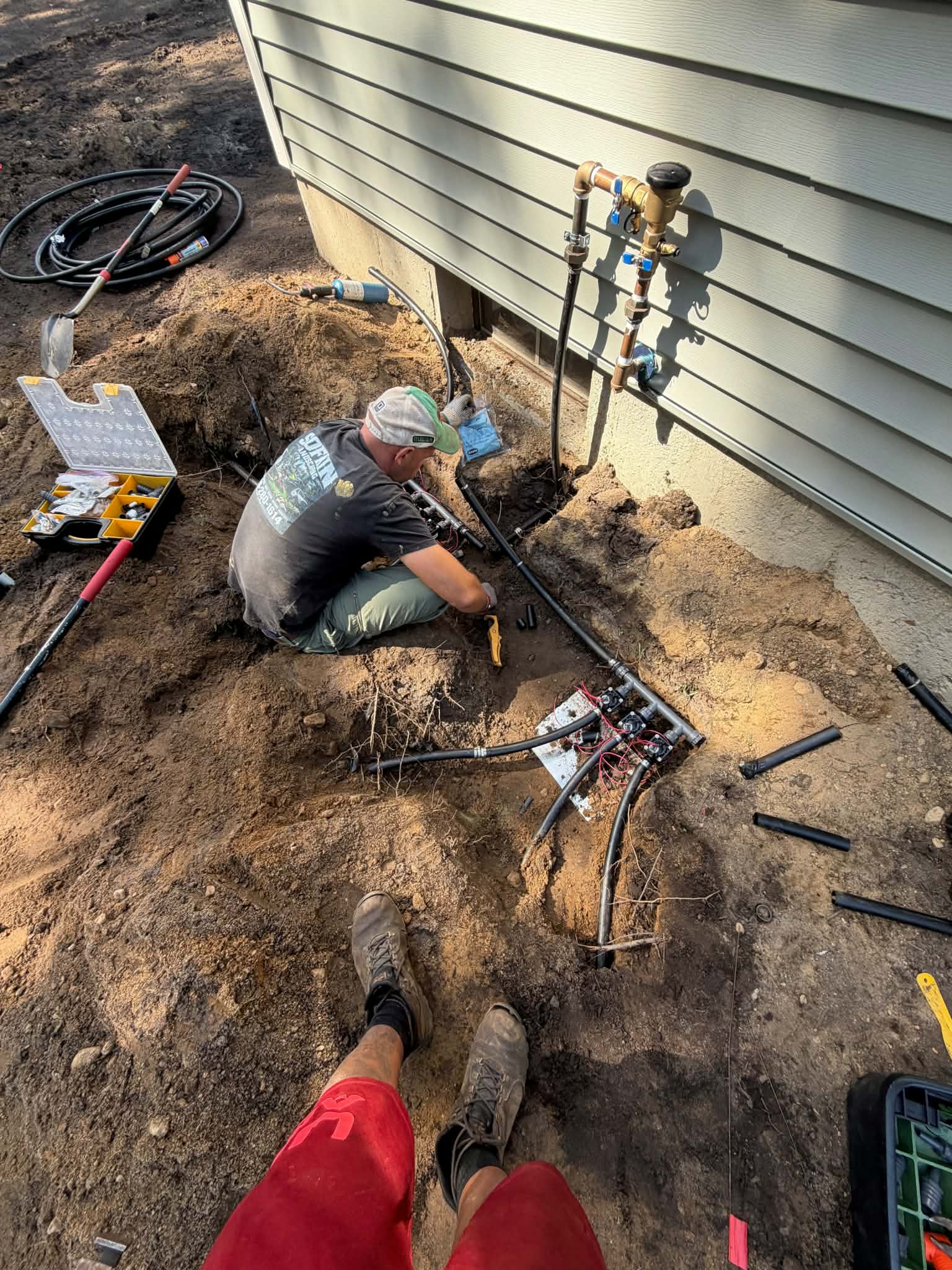
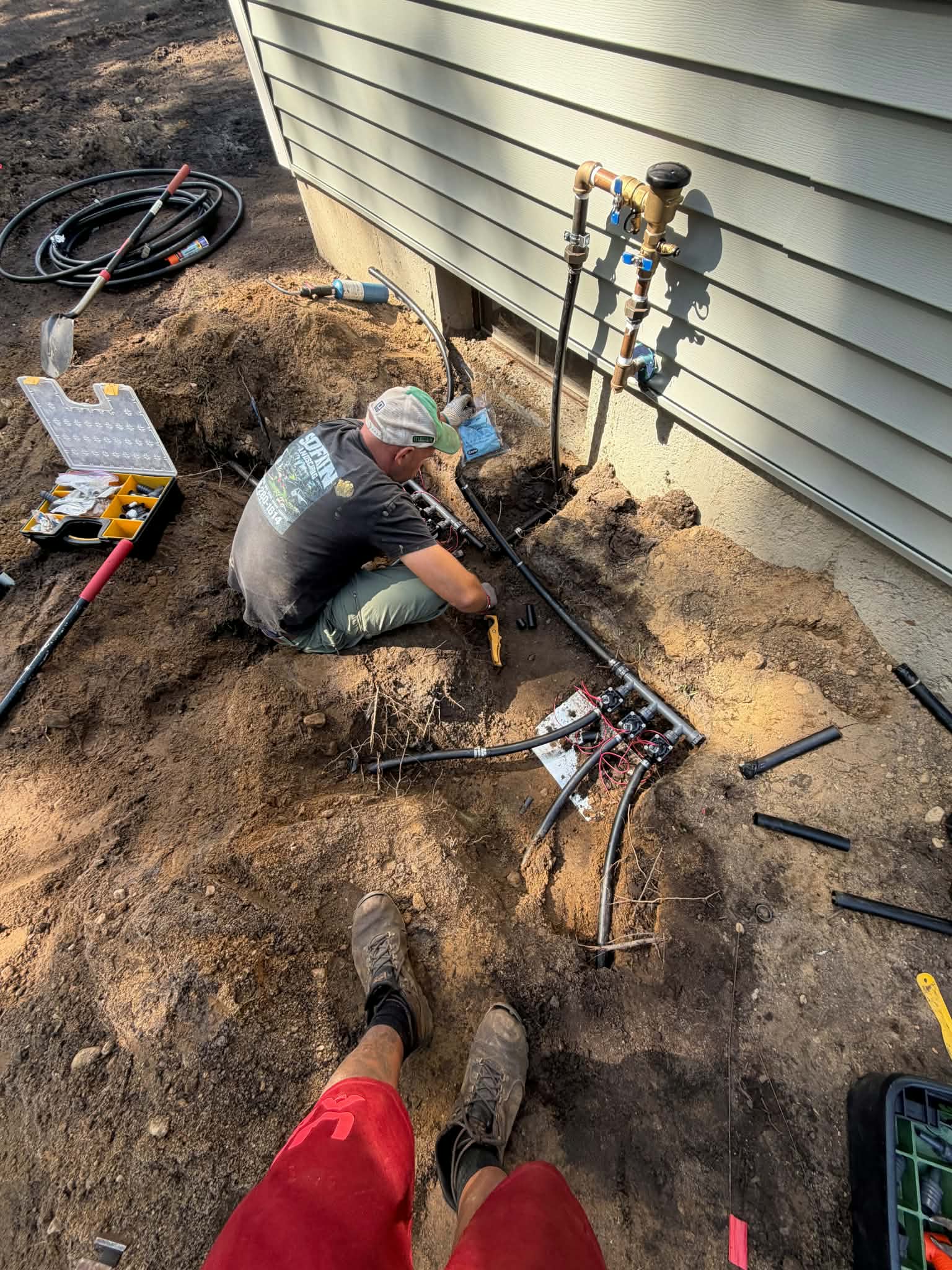
Irrigation winterization is the process of removing every drop of water from a sprinkler system before freezing weather, usually by blowing the lines out with compressed air. On Cape Cod it should be finished before the first hard freeze, which on most of the Cape means late October through mid-November. Skip it, and water trapped in pipes, valves and the backflow device freezes, expands and cracks them, and you find out in April when the system won't hold pressure.
We winterize systems from Sandwich to Orleans every fall. This guide explains when to book, what a proper blowout includes, what it costs compared with freeze damage, and the mistakes we see most often.
When should you winterize a sprinkler system on Cape Cod?
The target is simple: finish before the first night that drops to 28°F or colder for several hours. A light frost at 31–32°F rarely freezes buried lines, but a hard freeze will freeze shallow pipe, valve manifolds and, first of all, the backflow preventer, which sits above ground and is fully exposed.
Cape Cod is milder than inland Massachusetts because the ocean holds heat into the fall. Hard freezes usually arrive later here than in Worcester or even Plymouth. But conditions vary a lot from one property to the next:
Low, inland spots (kettle-hole yards, wooded lots in Marstons Mills, West Barnstable and inland Sandwich) can freeze two to three weeks earlier than waterfront homes.
Waterfront properties in Chatham, Harwich Port, Osterville and Hyannis Port often stay above freezing longer, but they take the brunt of wind once a cold front arrives.
Seasonal homes that close up after Columbus Day should be winterized when the house is closed, not weeks later.
Our rule for clients: book in early October and have it done by mid-November. Fall schedules fill quickly, and nobody wants to be on a waiting list when the forecast shows the first 25°F night.
What does a professional winterization include?
A proper winterization takes about 45 to 90 minutes for a typical Cape Cod residential system, depending on how many zones there are. Here is what our crew does at every stop:
Shut off the water supply to the irrigation system at the main shut-off valve, usually in the basement or a curb box.
Drain the supply side between the shut-off and the backflow device.
Connect a commercial compressor at the blowout port and set the pressure for your pipe type: under 80 psi for rigid PVC and around 50 psi for flexible poly pipe. Too much pressure damages fittings and heads; too little leaves water in the low spots.
Blow out each zone in turn, running it until the heads spray only mist and air. Then we go through every zone a second time, because water from the lines above runs down into the low spots.
Drain and open the backflow preventer: open the test cocks, set the ball valves half-open so water can't sit inside and freeze, and insulate or cover the device.
Set the controller to "off" or "rain mode" so it doesn't fire dry valves all winter, and note any problems we found (broken heads, leaking valves, weak zones) for spring.
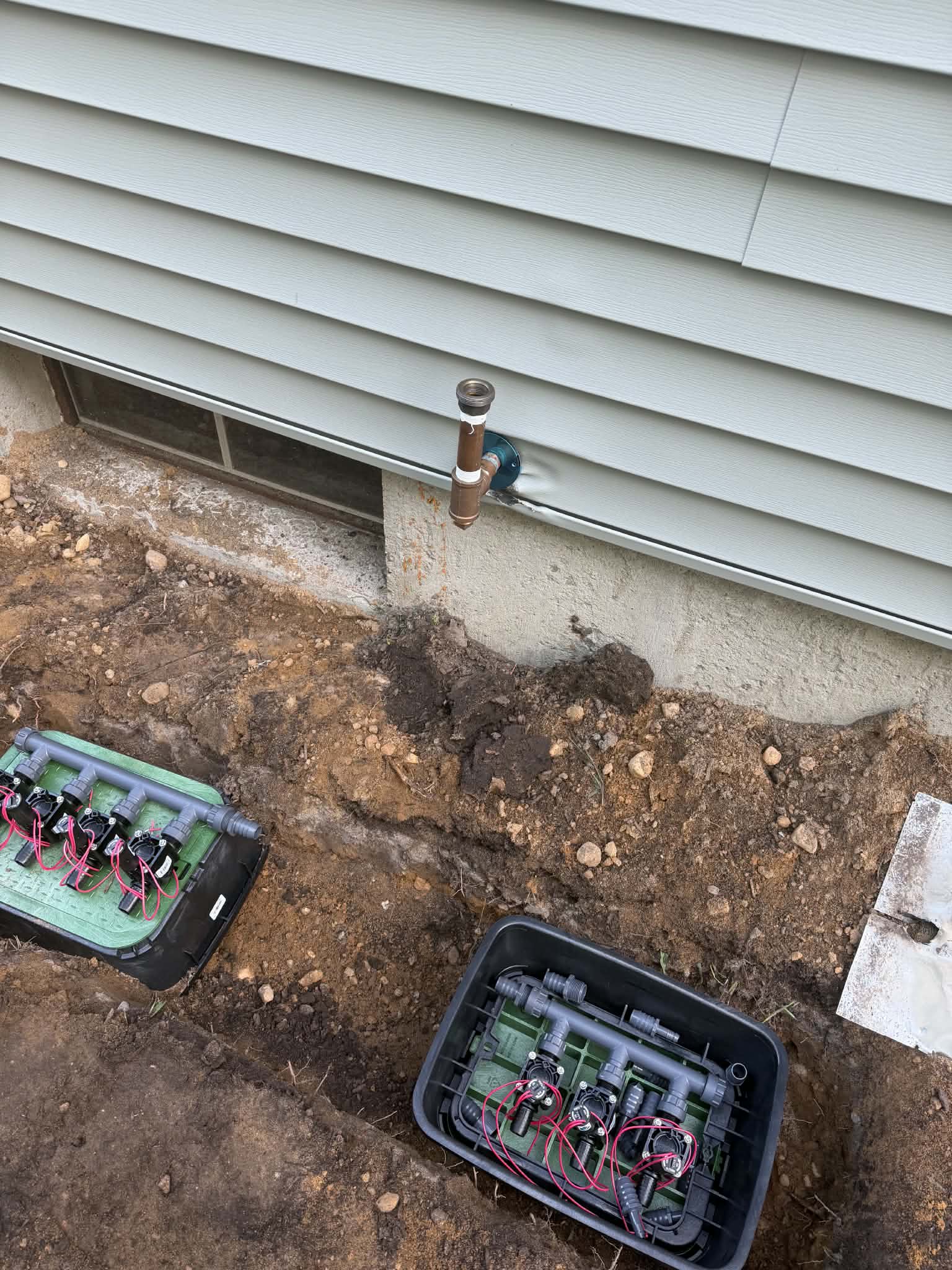
That last step matters more than people think. Winterization is the one visit each year when a technician runs every zone back to back. It is the best time to catch a cracked head or a sticking valve and schedule the fix before the spring rush.
How much does irrigation winterization cost on Cape Cod?
Winterization is priced by the size of the system: the number of zones, how much drip line there is and whether the property has more than one controller. We give you a flat price up front, before the visit, and the same price usually applies year after year. Ask for a quote with your number of zones, or call us and we'll look up your system if we've serviced it before.
Compare that with the cost of skipping it. A single freeze can crack a backflow preventer, split a manifold and break several fittings along a line. Replacing a backflow device alone, plus the labor to dig out and repair cracked pipe, regularly runs into four figures. A cracked main line under a driveway or patio costs even more. Winterization costs a small fraction of that, and it doubles as an annual inspection.
Can I winterize my own irrigation system?
You can, but it's the irrigation job homeowners most often get wrong. The three problems we see every spring:
An undersized compressor. A pancake compressor from the garage moves far too little air to clear a residential zone. The heads pop up and the line seems empty, but water is still sitting in every low spot.
Too much pressure. Turning a big compressor all the way up to "make sure" can blow fittings apart and crack heads. Rigid PVC and flexible poly pipe need different pressures.
Forgetting the backflow device. It's above ground and freezes first. If the ball valves are left fully open or fully closed with water inside, the brass body can split.
One safety note: compressed air in a closed pipe stores a lot of energy. Wear eye protection, never stand over a valve box while a zone is being blown out, and never run air through the backflow device itself.
What about drip irrigation?
Drip zones in vegetable gardens, raised beds and foundation plantings need winterizing too, but more gently. Drip tubing and emitters are rated for low pressure, so we blow them out at a reduced setting and open the end caps or flush valves so the lines drain completely. Pressure regulators and filters on drip zones should be removed or drained, since the plastic housings crack easily in a freeze.
Spring start-up: the other half of the job
Winterization and spring start-up go together. In April or May we turn the water back on slowly to avoid water hammer, pressurize each zone, adjust every head for arc and coverage, replace anything damaged over the winter and reprogram the controller for the season and your town's watering rules. Many Cape Cod water districts also require the backflow device to be tested every year, and spring is the usual time to do it. Your district can confirm the exact rule.
If you book winterization with us, we'll put you on the spring start-up list automatically and bring the notes from the fall inspection.
Irrigation winterization FAQ
Is it too late to winterize after the first frost?
Usually not. A light frost rarely freezes buried lines. What matters is a hard freeze of several hours at 28°F or below. If you've already had one, book right away: we'll check the backflow device and valves for cracks during the blowout.
Do I need to winterize if my system is new?
Yes. New systems have the same pipe, valves and backflow device as old ones, and a new system cracked in its first winter is an expensive way to learn that. Many installers' warranties don't cover freeze damage.
Do you winterize systems installed by other companies?
Yes. We service all major brands, including Rain Bird, Hunter, Toro and Orbit, no matter who installed the system. On the first visit we map the zones and note the controller settings so next year's work goes faster.
Which towns do you serve?
We winterize systems across 12 Cape Cod towns, including Hyannis, Barnstable, Osterville, Yarmouth, Dennis and Sandwich.
Book your winterization
Fall slots fill fast once the nights turn cold. Request a free estimate or call +1 508-280-1614, and see our irrigation services for installation, repairs and smart controller upgrades. Closing up the whole property for the season? Our fall cleanup checklist covers everything else.
Related services
More from the blog
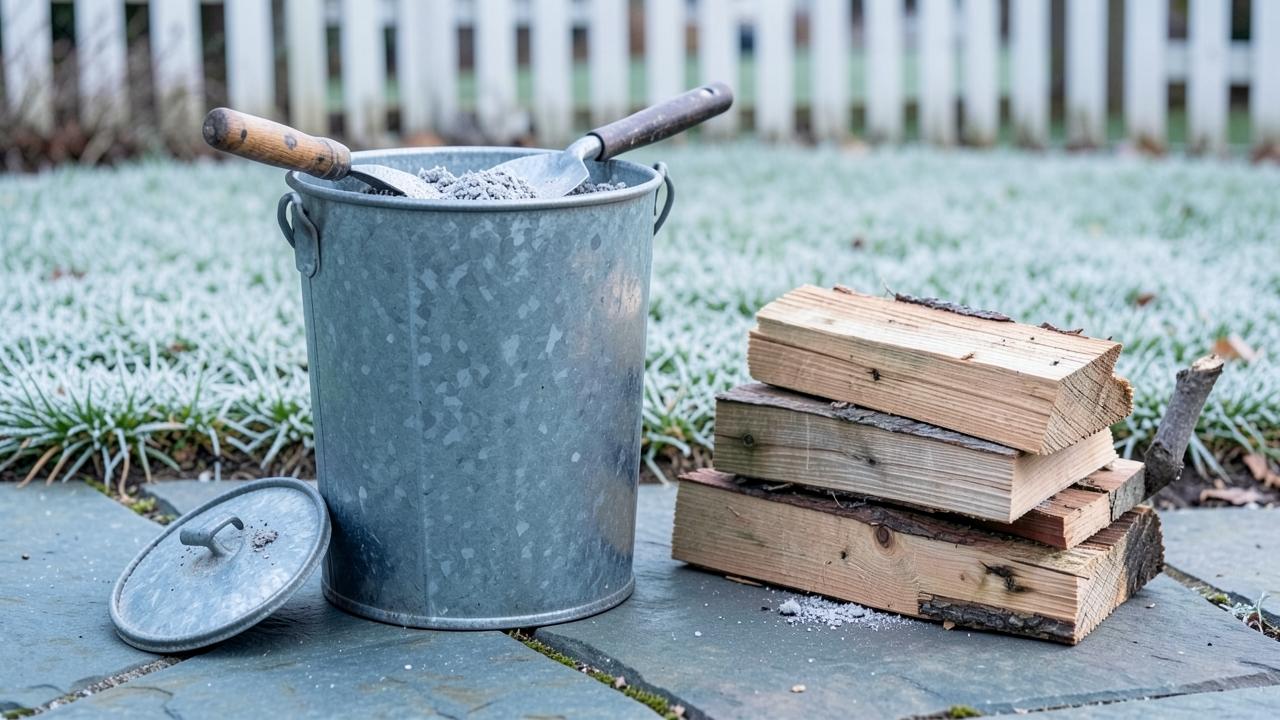 Wood Ash on Your Lawn: A Cape Cod Guide for Fireplace SeasonFireplace ash can help an acidic Cape Cod lawn, but only in small doses, on the right soil and away from acid-loving shrubs. Here is how to tell if yours qualifies.
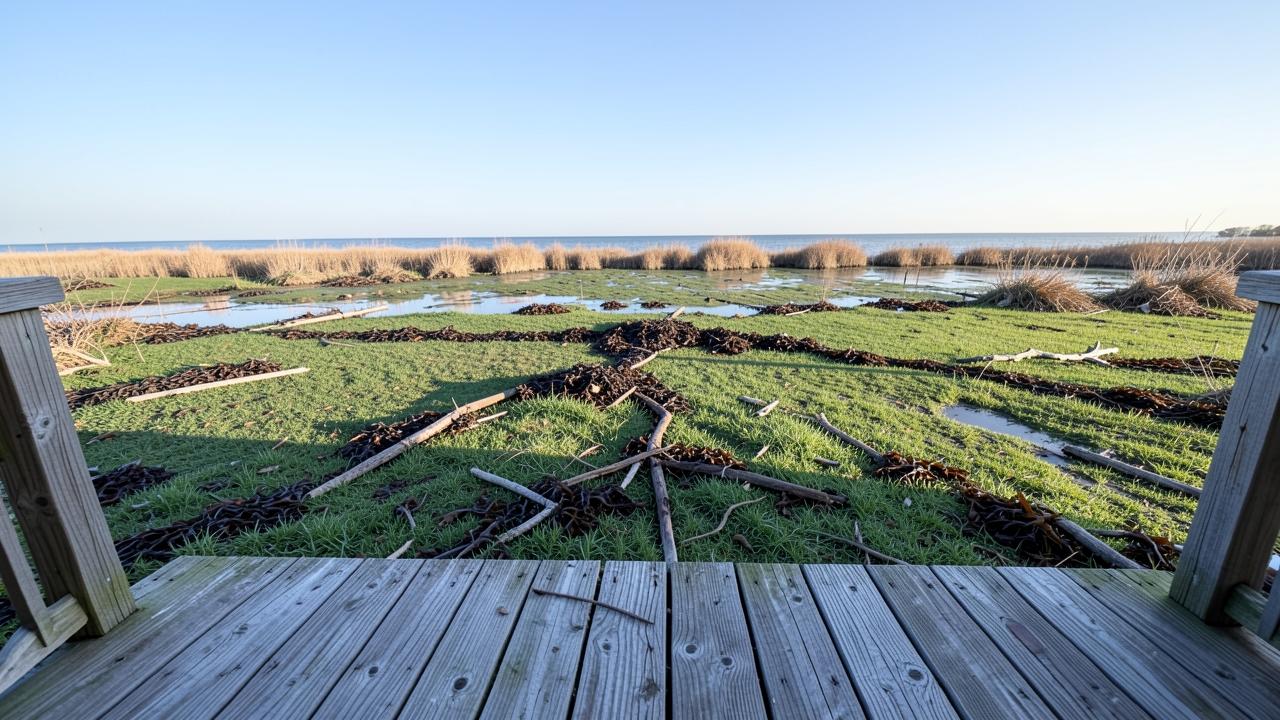 Saltwater Flooding on Your Lawn: Cape Cod Recovery After a Storm TideA storm tide over the lawn is not always a death sentence. Here is what to do in the first days, what to leave alone over winter, and how to judge the damage in spring.
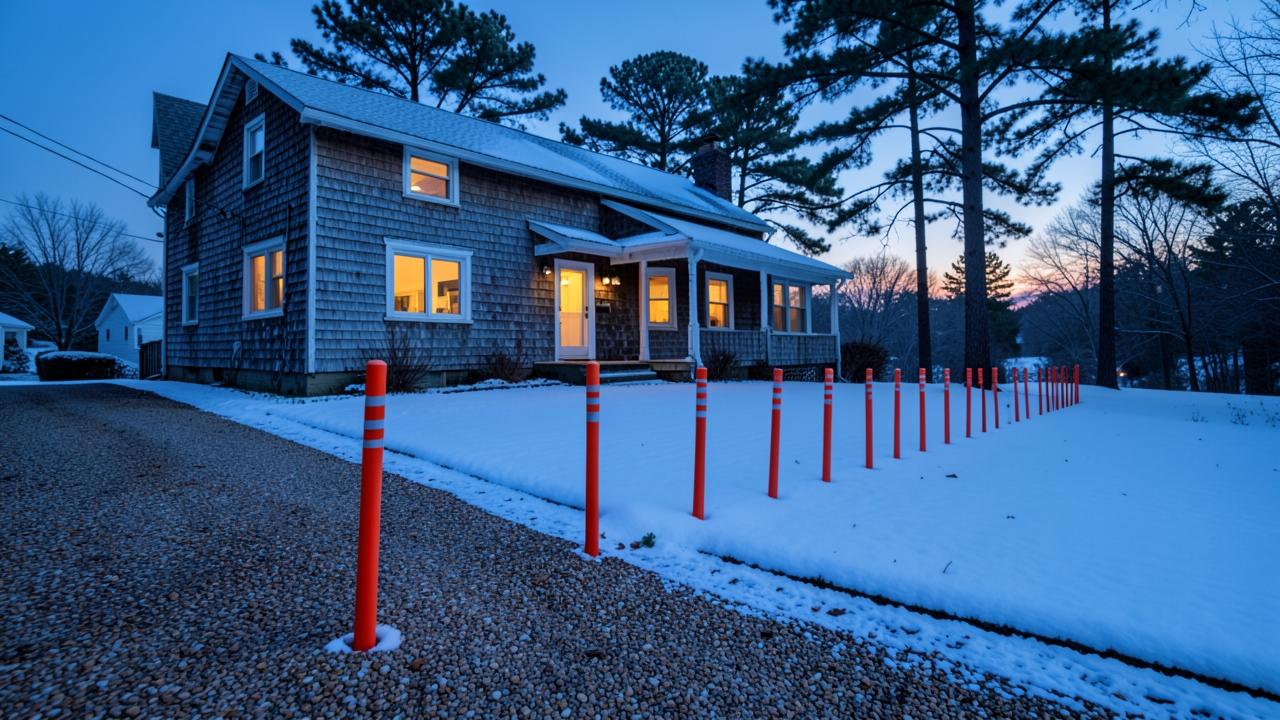 Snow Plow Damage to Lawns: Stake Your Cape Cod Yard Before It FreezesMost plow damage happens because the driver cannot see where the pavement ends. A couple of hours with snow stakes in late November prevents most of it.
Want this done on your property?
Free estimates for landscaping, lawn care, and tree work across Cape Cod.